Not actual patients

Resources

Helpful resources for your treatment journey

wave
small-cta

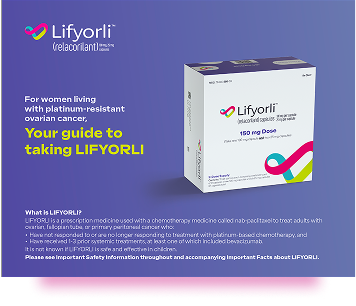
Learn about LIFYORLI

Download the LIFYORLI brochure for information on clinical study results, possible side effects, treatment schedule, and more.

small-cta

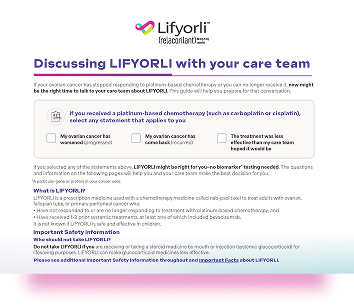
Talk to your doctor about LIFYORLI

This discussion guide can help you get the conversation started. In it, you'll learn about platinum resistance and answer questions that will help you and your care team determine if LIFYORLI is right for you.

small-cta

How and when to take LIFYORLI

Learn how to take LIFYORLI and manage your treatment schedule.

small-cta

Get additional pages for your LIFYORLI planner

Need more pages for tracking your LIFYORLI treatment schedule? Download more here.

Each LIFYORLI Welcome Kit includes a planner to help you manage your treatment plan. Talk to your care team if you did not receive yours with your first LIFYORLI prescription.

small-cta

Medicare Part D Education Brochure

Learn more about Medicare Part D prescription drug costs and financial assistance programs.

container
LIFYORLI round logo

Stay Updated

Get resources and information about LIFYORLI delivered right to your inbox.

container

Get savings and support information

Learn about the programs and resources that can help you get LIFYORLI.

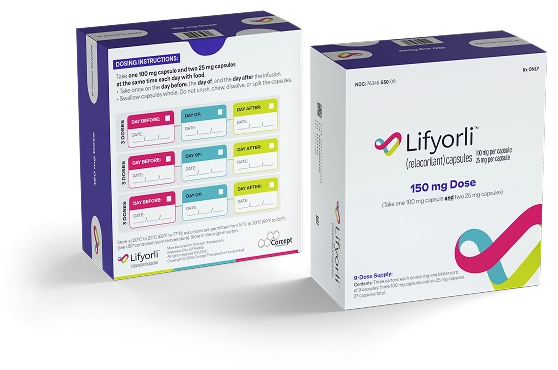
LIFYORLI packaging

LIFYORLI comes in packaging that helps you stay on schedule

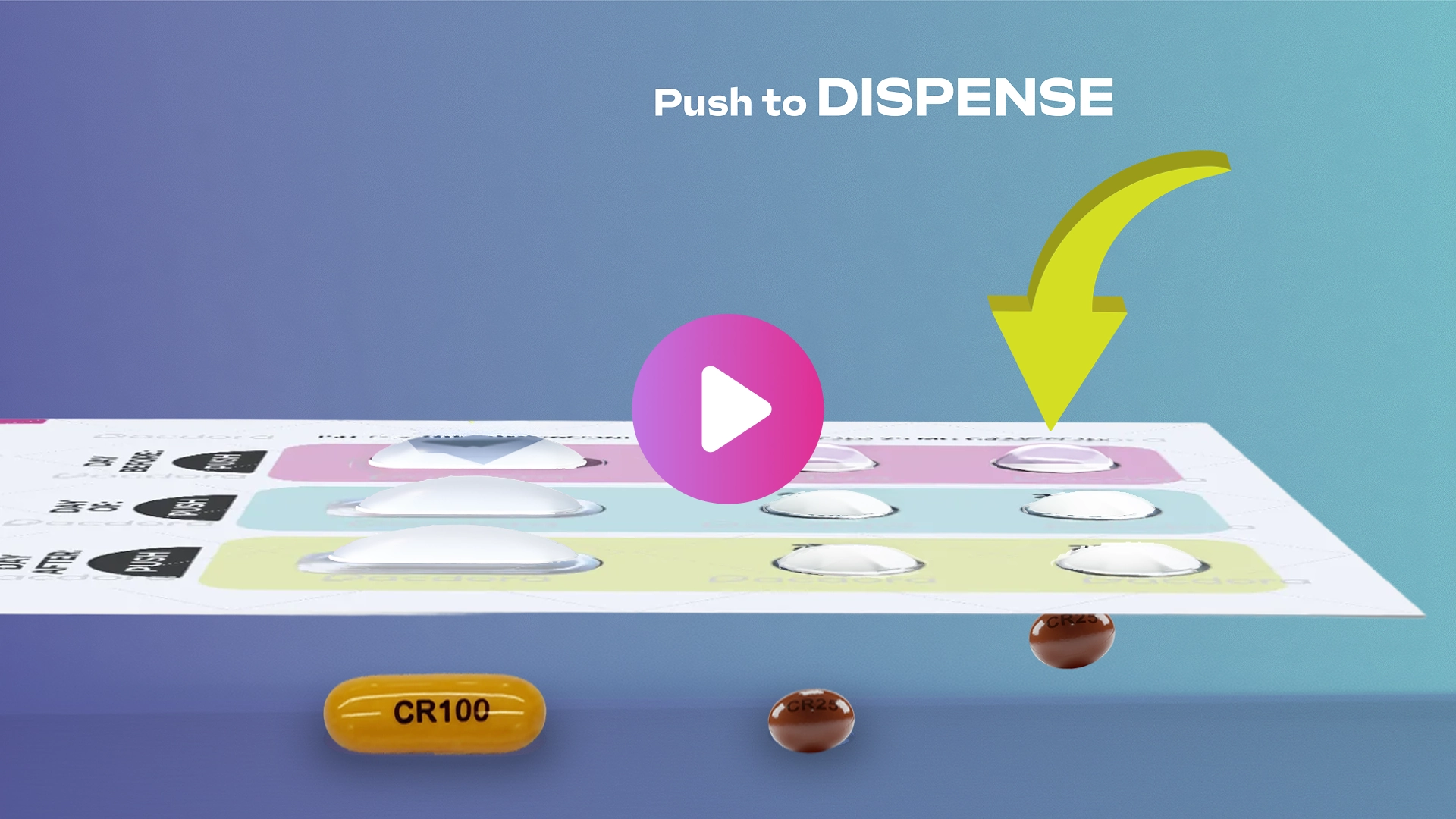
Watch the video to see what to expect when you get your supply of LIFYORLI.

Video thumbnail

Frequently asked questions


Find answers to common questions about taking LIFYORLI plus nab-paclitaxel for platinum-resistant ovarian cancer.

About LIFYORLI

Taking LIFYORLI + nab-paclitaxel

Side effects with LIFYORLI + nab-paclitaxel

Want to take a screen break? Download and print these FAQs to read through.

How to take LIFYORLI video

Not an actual patient

Indications and Important Safety Information
button-plusbutton-minus
What is LIFYORLI?

LIFYORLI is a prescription medicine used with a chemotherapy medicine called nab-paclitaxel to treat adults with ovarian, fallopian tube, or primary peritoneal cancer who:

  • Have not responded to or are no longer responding to treatment with platinum-based chemotherapy, and
  • Have received 1-3 prior systemic treatments, at least one of which included bevacizumab.

It is not known if LIFYORLI is safe and effective in children.

Important Safety Information
Who should not take LIFYORLI?

Do not take LIFYORLI if you are receiving or taking a steroid medicine by mouth or injection (systemic glucocorticoid) for lifesaving purposes. LIFYORLI can make glucocorticoid medicines less effective.

What are the possible side effects of LIFYORLI?

LIFYORLI can cause serious side effects, including:

  • Low white blood cell count (neutropenia) and severe infections. LIFYORLI in combination with nab-paclitaxel can cause low white blood cell counts, which can lead to a fever and severe infections and cause death. Your healthcare provider will check your blood counts before each weekly treatment with LIFYORLI in combination with nab-paclitaxel and as needed. Tell your healthcare provider right away if you have a fever, chills, weakness, confusion, or other signs or symptoms of an infection.

  • Reduced effects of the hormone cortisol (adrenal insufficiency). LIFYORLI reduces the effect of an adrenal hormone called cortisol, which may be life-threatening and require hospitalization. This can happen at any time during treatment. Your risk of adrenal insufficiency is increased when your body is under stress, such as when you are sick, have an infection, or have surgery. Tell your healthcare provider right away if you develop the following symptoms during treatment with LIFYORLI:

  • Feeling dizzy or lightheaded

  • Low blood pressure (hypotension)

  • Low blood sugar (hypoglycemia)

  • Worsening weakness or tiredness

  • Worsening nausea or vomiting

  • Worsening loss of appetite or weight loss

  • Worsening of conditions treated with glucocorticoids. Treatment with LIFYORLI in people who also take glucocorticoids for other conditions may worsen symptoms of these conditions. LIFYORLI makes glucocorticoids less effective, and use of glucocorticoids makes LIFYORLI less effective. If you take a glucocorticoid medicine during treatment with LIFYORLI, tell your healthcare provider if symptoms of your other condition get worse.

The most common side effects of LIFYORLI in combination with nab-paclitaxel include
  • Decreased red blood cell, white blood cell, and platelet counts

  • Tiredness

  • Nausea

  • Diarrhea

  • Rash

  • Decreased appetite

Your healthcare provider may change your dose of LIFYORLI, delay treatment, or completely stop treatment with LIFYORLI if you have certain side effects. These are not all the possible side effects of LIFYORLI. Call your doctor for medical advice about side effects. You may report side effects to FDA at 1-800-FDA-1088.

Before you take LIFYORLI, tell your healthcare provider about all your medical conditions, including if you:
  • Plan to have surgery or have had surgery within the past 30 days

  • Have liver problems

  • Are pregnant or plan to become pregnant. LIFYORLI can harm your unborn baby

  • Females who are able to become pregnant:

    • Your healthcare provider should do a pregnancy test before you start treatment with LIFYORLI.

    • Use effective birth control (contraception) during treatment with LIFYORLI and for 1 week after your last dose. Talk with your healthcare provider about birth control methods you can use during this time.

    • Tell your healthcare provider right away if you become pregnant or think you are pregnant during treatment with LIFYORLI.

    • Males with female partners who are able to become pregnant:

  • Use effective birth control (contraception) during treatment with LIFYORLI and for 1 week after your last dose.

  • Are breastfeeding or plan to breastfeed. It is not known if LIFYORLI passes into your breast milk. Do not breastfeed during treatment with LIFYORLI and for 1 week after your last dose.

Tell your healthcare provider about all medicines you take, including prescription and over-the-counter medicines, vitamins, and herbal supplements. Taking LIFYORLI with certain other medicines may affect how LIFYORLI or the other medicines work and may cause side effects.

Especially tell your healthcare provider if you are taking steroid medicines called glucocorticoids. Ask your healthcare provider if you are not sure if you take a glucocorticoid.

Please see Important Facts about LIFYORLI.

Indications and Important Safety Information
What is LIFYORLI?

LIFYORLI is a prescription medicine used with a chemotherapy medicine called nab-paclitaxel to treat adults with ovarian, fallopian tube, or primary peritoneal cancer who:

  • Have not responded to or are no longer responding to treatment with platinum-based chemotherapy, and
  • Have received 1-3 prior systemic treatments, at least one of which included bevacizumab.

It is not known if LIFYORLI is safe and effective in children.

Important Safety Information
Who should not take LIFYORLI?

Do not take LIFYORLI if you are receiving or taking a steroid medicine by mouth or injection (systemic glucocorticoid) for lifesaving purposes. LIFYORLI can make glucocorticoid medicines less effective.

What are the possible side effects of LIFYORLI?

LIFYORLI can cause serious side effects, including:

  • Low white blood cell count (neutropenia) and severe infections. LIFYORLI in combination with nab-paclitaxel can cause low white blood cell counts, which can lead to a fever and severe infections and cause death. Your healthcare provider will check your blood counts before each weekly treatment with LIFYORLI in combination with nab-paclitaxel and as needed. Tell your healthcare provider right away if you have a fever, chills, weakness, confusion, or other signs or symptoms of an infection.

  • Reduced effects of the hormone cortisol (adrenal insufficiency). LIFYORLI reduces the effect of an adrenal hormone called cortisol, which may be life-threatening and require hospitalization. This can happen at any time during treatment. Your risk of adrenal insufficiency is increased when your body is under stress, such as when you are sick, have an infection, or have surgery. Tell your healthcare provider right away if you develop the following symptoms during treatment with LIFYORLI:

  • Feeling dizzy or lightheaded

  • Low blood pressure (hypotension)

  • Low blood sugar (hypoglycemia)

  • Worsening weakness or tiredness

  • Worsening nausea or vomiting

  • Worsening loss of appetite or weight loss

  • Worsening of conditions treated with glucocorticoids. Treatment with LIFYORLI in people who also take glucocorticoids for other conditions may worsen symptoms of these conditions. LIFYORLI makes glucocorticoids less effective, and use of glucocorticoids makes LIFYORLI less effective. If you take a glucocorticoid medicine during treatment with LIFYORLI, tell your healthcare provider if symptoms of your other condition get worse.

The most common side effects of LIFYORLI in combination with nab-paclitaxel include
  • Decreased red blood cell, white blood cell, and platelet counts

  • Tiredness

  • Nausea

  • Diarrhea

  • Rash

  • Decreased appetite

Your healthcare provider may change your dose of LIFYORLI, delay treatment, or completely stop treatment with LIFYORLI if you have certain side effects. These are not all the possible side effects of LIFYORLI. Call your doctor for medical advice about side effects. You may report side effects to FDA at 1-800-FDA-1088.

Before you take LIFYORLI, tell your healthcare provider about all your medical conditions, including if you:
  • Plan to have surgery or have had surgery within the past 30 days

  • Have liver problems

  • Are pregnant or plan to become pregnant. LIFYORLI can harm your unborn baby

  • Females who are able to become pregnant:

    • Your healthcare provider should do a pregnancy test before you start treatment with LIFYORLI.

    • Use effective birth control (contraception) during treatment with LIFYORLI and for 1 week after your last dose. Talk with your healthcare provider about birth control methods you can use during this time.

    • Tell your healthcare provider right away if you become pregnant or think you are pregnant during treatment with LIFYORLI.

    • Males with female partners who are able to become pregnant:

  • Use effective birth control (contraception) during treatment with LIFYORLI and for 1 week after your last dose.

  • Are breastfeeding or plan to breastfeed. It is not known if LIFYORLI passes into your breast milk. Do not breastfeed during treatment with LIFYORLI and for 1 week after your last dose.

Tell your healthcare provider about all medicines you take, including prescription and over-the-counter medicines, vitamins, and herbal supplements. Taking LIFYORLI with certain other medicines may affect how LIFYORLI or the other medicines work and may cause side effects.

Especially tell your healthcare provider if you are taking steroid medicines called glucocorticoids. Ask your healthcare provider if you are not sure if you take a glucocorticoid.

Please see Important Facts about LIFYORLI.

Corcept logo

This information is provided by Corcept Therapeutics. It is intended for educational purposes and for US audiences only.

LIFYORLI, LIFYORLI Support, and the LIFYORLI logo are trademarks of Corcept. Corcept and the Corcept logo are registered trademarks.
© 2026 Corcept. US-REL-25-0010 04-26